
Misinformation, Algorithmic Echo Chambers, and the Positive Side of Social Media Journalism [1]
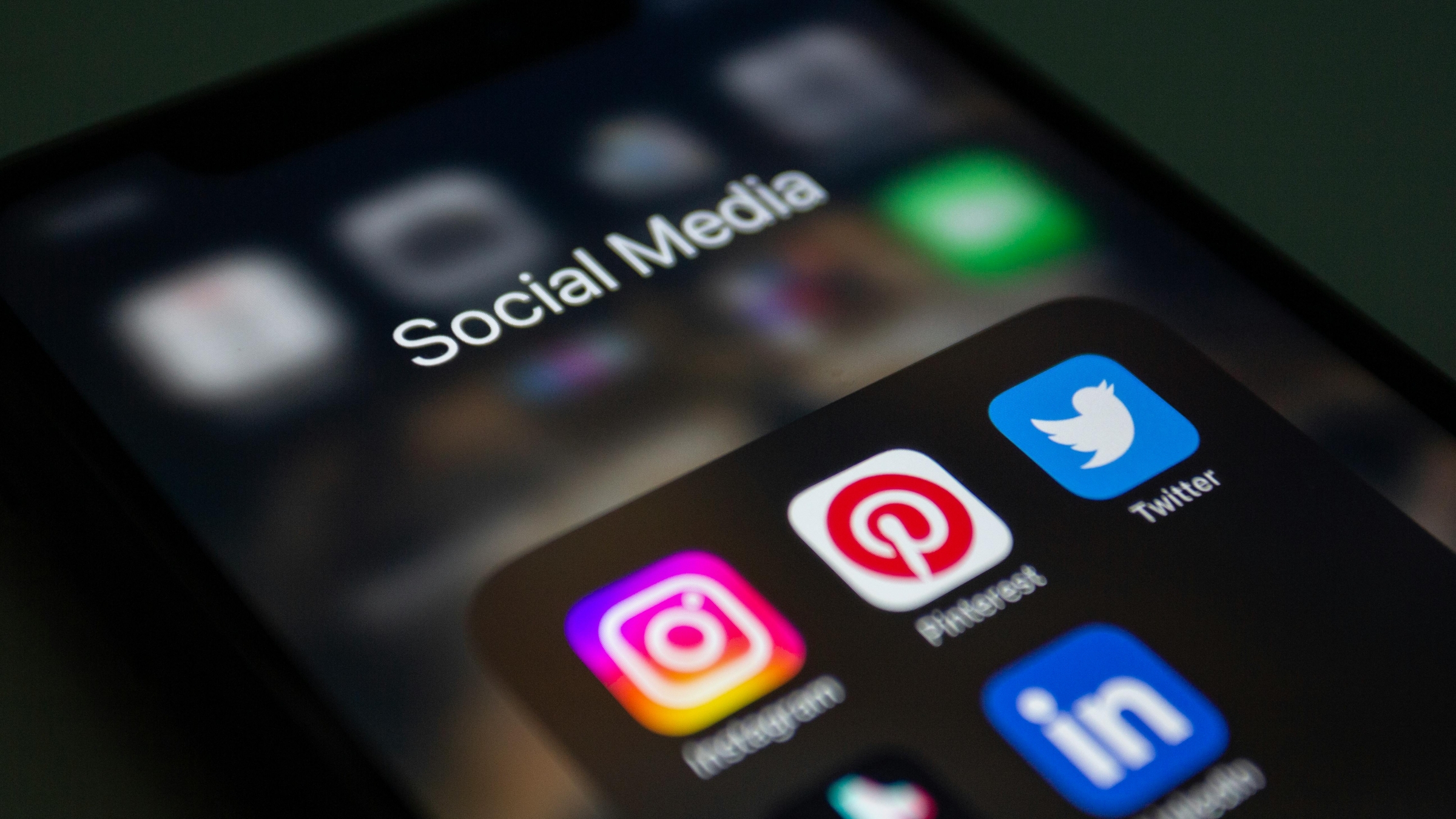
Despite its popularity, social media poses a threat to society as it encourages the spread of misinformation and allows for mass self-communication that aids in entrapping people in algorithmic echo chambers; yet, there is good to be found as well.
 [2]
[2]The increase of trust in any social media account as a news source can make journalism feel hopeless, but not all hope is to be lost. As an aspiring journalist myself, and after taking a class on social media, I have done a deep dive on the negatives and few positives within social media journalism.
Misinformation on social media can be as big as claiming a child trafficking ring runs out of a pizza shop (Pizzagate [3]), or as small as saying famous singer SZA wrote her song “Kill Bill” about her ex-boyfriend Bill Nye the Science Guy– when actually the two never even dated (see here [4]). But what causes these fake facts to spread so quickly?
A Forbes article [5] remarks how social media posts are not meant for "prioritizing accuracy" but rather “maximizing engagement.” To quote journalist Hessie Jones, “Sensationalism, controversy, and misinformation outperform factual reporting, eroding trust in journalism and deepening societal divisions.” We can see this clearly with social media posts that came as an aftermath of the July 2025 Texas floods. There were videos with flooded fields and buildings, power outages and citizens running for their life, a video of an above ground pool being swept away, and more circulated online. Most of these videos that spread weren’t even from the same year. The one of the above ground pool was actually a repost of a video from 2022, recaptioned to generate new engagement (see here [6]).
However, the fear and sadness of a natural disaster are not the only emotions used to generate those clicks. Many content creators also use “rage bait,” content provoking anger, to generate clicks and views. Someone confidently does something wrong or offensive, and our anger makes us more inclined to leave a rage fueled comment. Yet, as people leave comments about their opposing opinion on the rage baity posts, or maybe go to the comments to find others who share their outrage, they end up locking themselves in an echo chamber.
As we engage with social media, its algorithm begins to learn who we are and what we engage with the most; therefore, to keep us scrolling, it shows us more and more of what we want to see (Woodroof [7]). If your social media feed was filled with videos of opinions you don’t share, you’d probably spend less time online as it would be far less engaging. This algorithmic echo chamber is incredibly dangerous-- especially when it comes to matters of politics. We all have our opinions, whether we like to admit it or not, and social media has figured them out. Our opinions are known and consistently repeated back to us, making it feel like everyone must agree with what we think. While studies show that social media has resulted in more people willingly sharing their opinions online, it also shows that people receive majority content that aligns with their views (see here [8]).
Yet even with the echo chambers and misinformation, there is still a silver line to be found, even if that silver line is made up of pixels on a screen. One of the core purposes of social media is to connect different kinds of people from all over the world. Obviously, it has done its job well as it only takes a quick search for us here in America to connect with someone all the way in China. This ability to connect with people is easily social media’s biggest positive. It aids in the spread of research, how to’s, tips, tricks, as well as allowing people to find community.
Not only that, but some news spread by untrustworthy sources have actually aided the political scene in America. We see this largely with voter turn out. A study done at the University of Georgetown [9] cross-analyzed social media use and voter turnout over the course of three U.S. presidential elections in 2012, 2016, and 2020. The results showed that an increase in social media use correlated with an increase in voter turn out. Numerous celebrities and influencers posting about registering to vote or sharing photos of themselves wearing the ever famous “I voted” sticker all leave an impact.
All in all, yes, social media aids in the spread of misinformation and it creates algorithmic echo chambers, at the same time we cannot write off all social media as there is much good to be found in it as well. While the future of journalism can seem hectic, it is important to not give up on the pursuit of truth. We must not take claims we see at face value, and make sure to review any online "news" with multiple credited sources.