What the 2026 FIFA World Cup reminded me about media and connection.
by Vicki Chinchilla
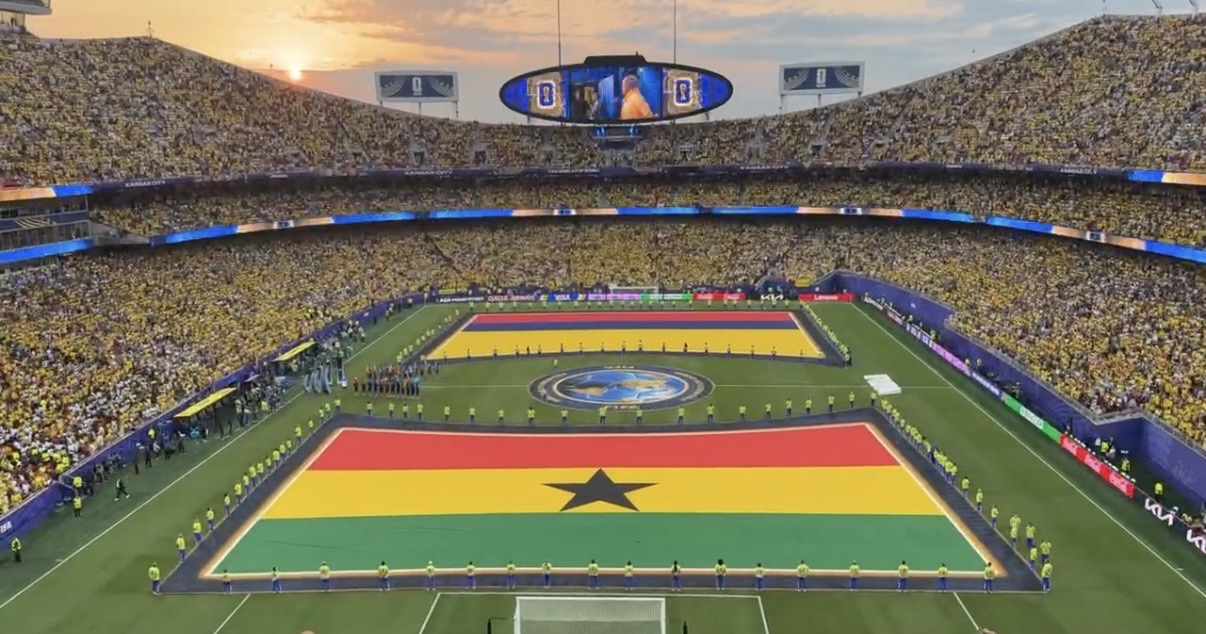
I thought this World Cup would be like every other soccer tournament I'd experienced as an adult. I'd watch a match if I could and attend a watch party if invited, but I didn't expect to become personally invested. Living in one of the host countries, however, shaped the experience in ways I never anticipated.
The tournament seemed to follow me everywhere. Matches played on televisions in restaurants and bars. Stores displayed jerseys from countries across the globe. Matches streamed across office televisions and social media feeds. Conversations that might never have happened otherwise began with a simple question: Who are you cheering for?
Even if someone supported a different country than I did, there was an unspoken sense of camaraderie. A smile. A nod. A shared understanding that, for the next ninety minutes, we would all be watching the same story unfold.
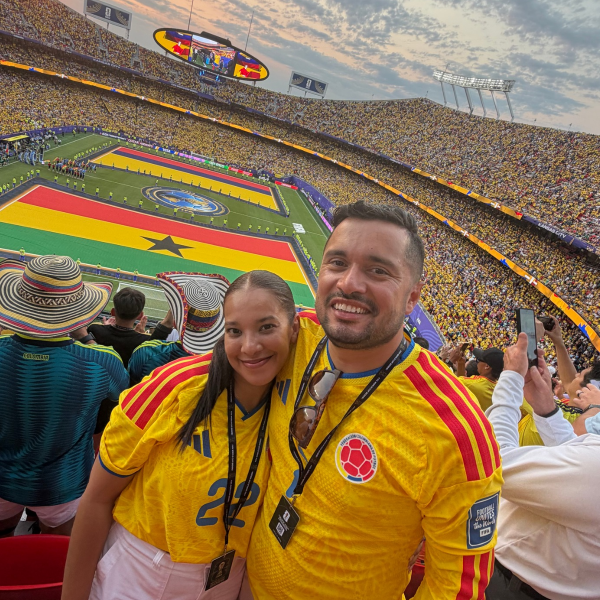
That feeling surprised me enough that I made a last-minute decision to travel to Kansas City for a match.
I expected to watch soccer. I didn't expect to experience belonging.
Walking into the stadium, I heard familiar Spanish accents and saw flags from dozens of countries. Strangers celebrated together, lamented missed opportunities, and erupted in joy when the ball found the back of the net. For one day, nationality mattered less than the shared experience of being present together.
As someone whose father was Colombian, watching Colombia play became deeply personal.
My father passed away before I had the opportunity to visit Colombia with him. Although I have never been there, cheering for the national team during this World Cup felt like reconnecting with a part of my identity through the people around me. It started with hosting watch parties for Colombia's matches. We gathered around the television, celebrating every goal and holding our breath through every close call. The yellow jerseys, the Spanish chants, and the collective anticipation made me feel connected to a place I had never seen but had always carried with me through my father's story.
For the first time, home felt less like a country I’ve never been to and more like a feeling I found among people.
As a student, I couldn't help but think about what I was experiencing through the lens of media. Author Ronald Gordon writes in "Global Empathic Consciousness Development: Mass Communication Hope?" that media should aspire to do more than entertain us. At its best, he believes communication can cultivate empathy by helping us recognize our shared humanity rather than retreat into isolated experiences. When I first read that, I agreed with him because the argument made sense. After experiencing the World Cup, I agreed with him because I had lived it.
For decades, television regularly created moments like these. Families planned evenings around scheduled broadcasts. Neighbors gathered to watch historic events. Coworkers discussed last night's episode over coffee the next morning. Television was never just entertainment; it created common reference points that shaped conversations and strengthened communities. While those experiences were not always inclusive of every voice, they nevertheless demonstrated media's remarkable ability to bring large groups of people into the same moment.
Today's media landscape looks very different. Streaming platforms and personalized algorithms allow us to consume content tailored to our own interests and schedules. That convenience is one of modern technology's greatest strengths, and I wouldn’t argue that we should return to a world with fewer options. Yet the World Cup reminded me that convenience and connection are not always the same thing.
Whether someone was cheering for Colombia, Mexico, or the United States, the emotions were instantly recognizable. Hope before kickoff. Anxiety during penalty kicks. Joy after a goal. Disappointment at the final whistle. Those emotions required no translation. In those moments, it became clear that communication is not simply about sharing information; it is about creating understanding and empathy.
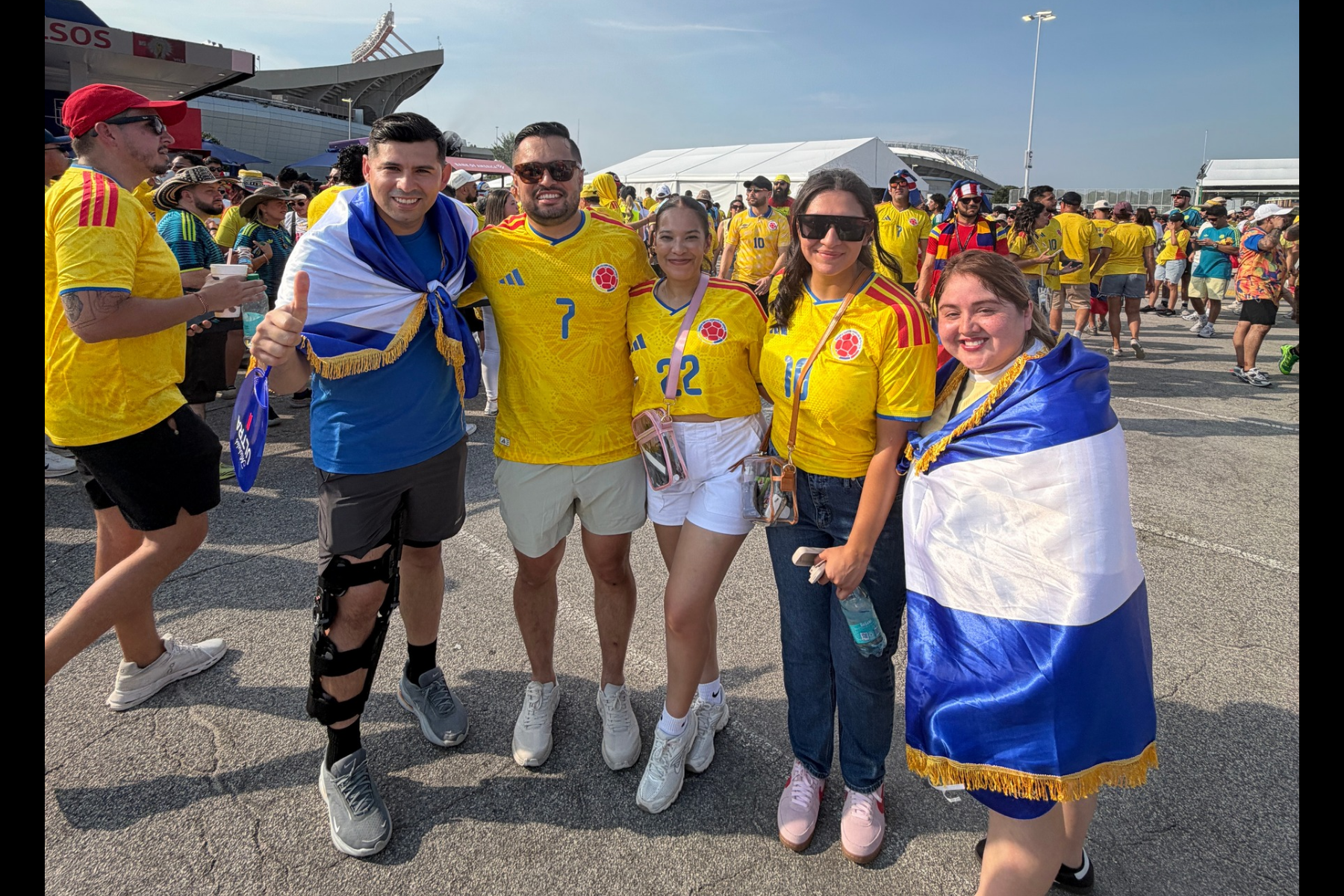
Perhaps this is what Gordon hoped media could become. Media’s greatest legacy isn’t technological advancement. It’s the ability to create moments when millions of people pause to experience the same story together.
The World Cup reminded me that we have not lost that capacity. We have simply become less accustomed to it.
In a world where so much of our media is designed for each of us individually, I left Kansas City believing that some stories are still at their most powerful when we experience them together.
What began as an experience on a screen inspired me to step into a community I didn't expect to find. I came home reminded that the most powerful forms of media do more than capture our attention. They help us find community and, sometimes, if we're fortunate, they help us find a piece of ourselves. To me, that's what media looks like at its best: helping us find ourselves in one another.


 Printer-friendly version